How to Choose the Right Weighbridge for Your Site
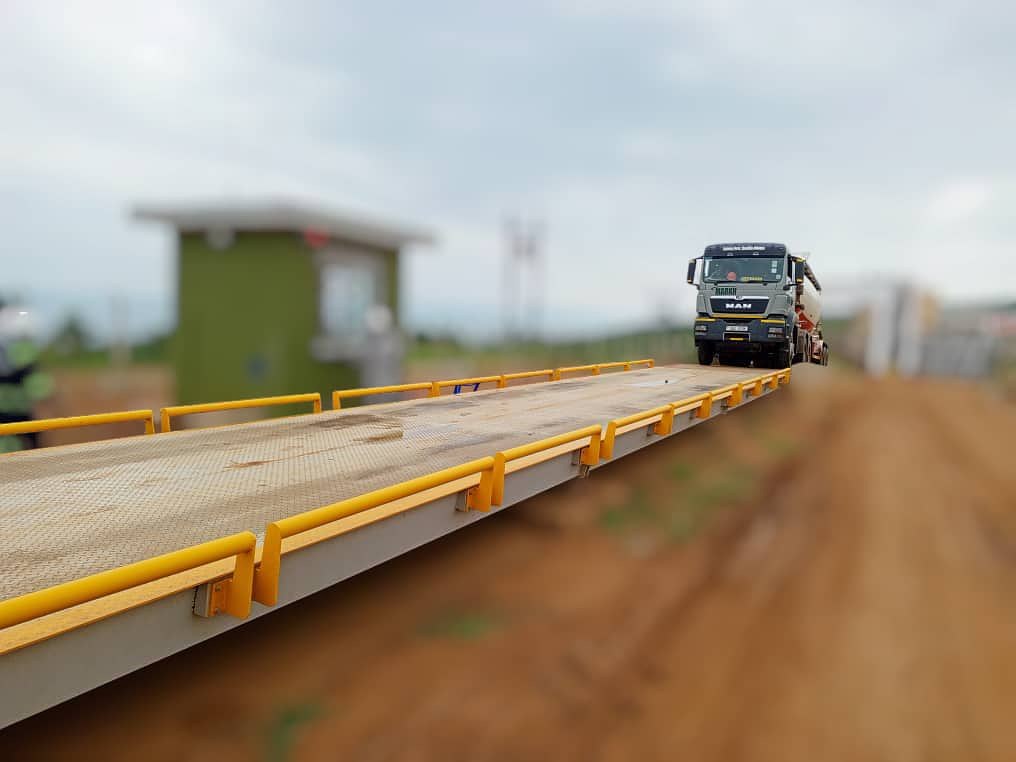
A weighbridge is one of the biggest investments a factory, depot, farm or logistics yard makes in weighing. Chosen well, it pays for itself for decades in accurate loads, fair invoices and trucks that move quickly. Chosen badly, it slows the gate, under-weighs heavy vehicles or costs more in repairs than it should. These are the questions we work through with every client before recommending a weighbridge.
1. Start with your heaviest vehicle
Capacity is the first decision. List the vehicles that will cross the bridge and find the heaviest fully loaded truck, including its trailer. Then choose a capacity with comfortable headroom above that weight, so the bridge never works at its limit. Moweigh weighbridges range from 20,000 kg to 150,000 kg, which covers everything from light delivery trucks to heavy multi-axle trailers.
2. Match the platform length to your trucks
For a single, accurate weighing, the whole vehicle should sit on the deck at once. A short platform forces operators to weigh axle by axle, which is slower and less accurate. Measure your longest vehicle combination and choose a platform that fits it with room to spare. Our platforms range from 3 × 9 m to 3.5 × 24 m.
3. Choose the right readability
Readability, also called the division, is the smallest weight step the indicator shows. Moweigh weighbridges read from 5 kg to 50 kg. A finer division suits high-value goods and tight tolerances, such as fuel, chemicals or agricultural produce bought by weight. A coarser division is fine for bulk materials like sand, stone and aggregate.
4. Pit or surface-mounted?
A surface-mounted weighbridge sits above ground with ramps at each end. It needs less civil work and is easier to clean and inspect. A pit-mounted weighbridge sits flush with the ground, which saves space where there is no room for ramps, but it needs good drainage so water and debris do not collect underneath. Your site layout, soil and rainfall usually decide which is better.
5. Don't overlook load cells, junction boxes and the indicator
The steel deck carries the truck, but the load cells measure it. Good load cells, sealed junction boxes and protected cabling are what keep readings stable through heat, rain and years of traffic. The weight indicator is what operators use every day, so choose one that is reliable, easy to read and able to connect to printers and software. We supply and stock spares for all of these, so a fault does not stop your gate for long.
6. Digital or IoT-connected?
A digital weighbridge gives accurate readings at the site. An IoT-enabled weighbridge goes further: it sends data to the cloud, so managers can see activity remotely and our technicians can help troubleshoot without always travelling to site. If you run several sites, or the owner is not always on site, a connected weighbridge is usually worth it.
7. Record every ticket with the right software
A weighbridge is only as useful as the records it produces. QLoad – Weighbridge runs on the site PC and captures first and second weights, prints tickets and keeps working when the internet is down. Tickets sync to the Moweigh client portal when the connection returns, so managers can review trucks and tonnage from anywhere.
8. Plan for verification and service from day one
If you buy or sell goods by weight, your weighbridge must be accurate and legally verified. Plan for regular calibration, and for verification by the national weights and measures authority (UNBS in Uganda). A service level agreement keeps the bridge accurate with scheduled maintenance and a fast response when something goes wrong, so downtime stays to a minimum.
Quick checklist
| Question | What to check |
|---|---|
| Heaviest vehicle? | Capacity with headroom (20–150 tonnes) |
| Longest vehicle? | Whole truck on the deck (3 × 9 m to 3.5 × 24 m) |
| What do you weigh? | Readability from 5 kg to 50 kg |
| Site layout? | Surface-mounted with ramps, or pit-mounted with drainage |
| Remote visibility? | Digital or IoT-connected |
| Records? | QLoad – Weighbridge tickets, synced to the client portal |
| Accuracy over time? | Calibration, verification and an SLA |
Conclusion
The right weighbridge fits your heaviest and longest trucks, reads finely enough for what you weigh, suits your site and comes with software and service that keep it accurate. Tell us about your vehicles and your site, and we will recommend a weighbridge and send a quote.